#204Cover crops
204⸱AConcept
- Balances soil humidity and temperature
- Reduces erosion
- Suppresses weed growth
- Improves soil structure and organic matter
- Improves soil life
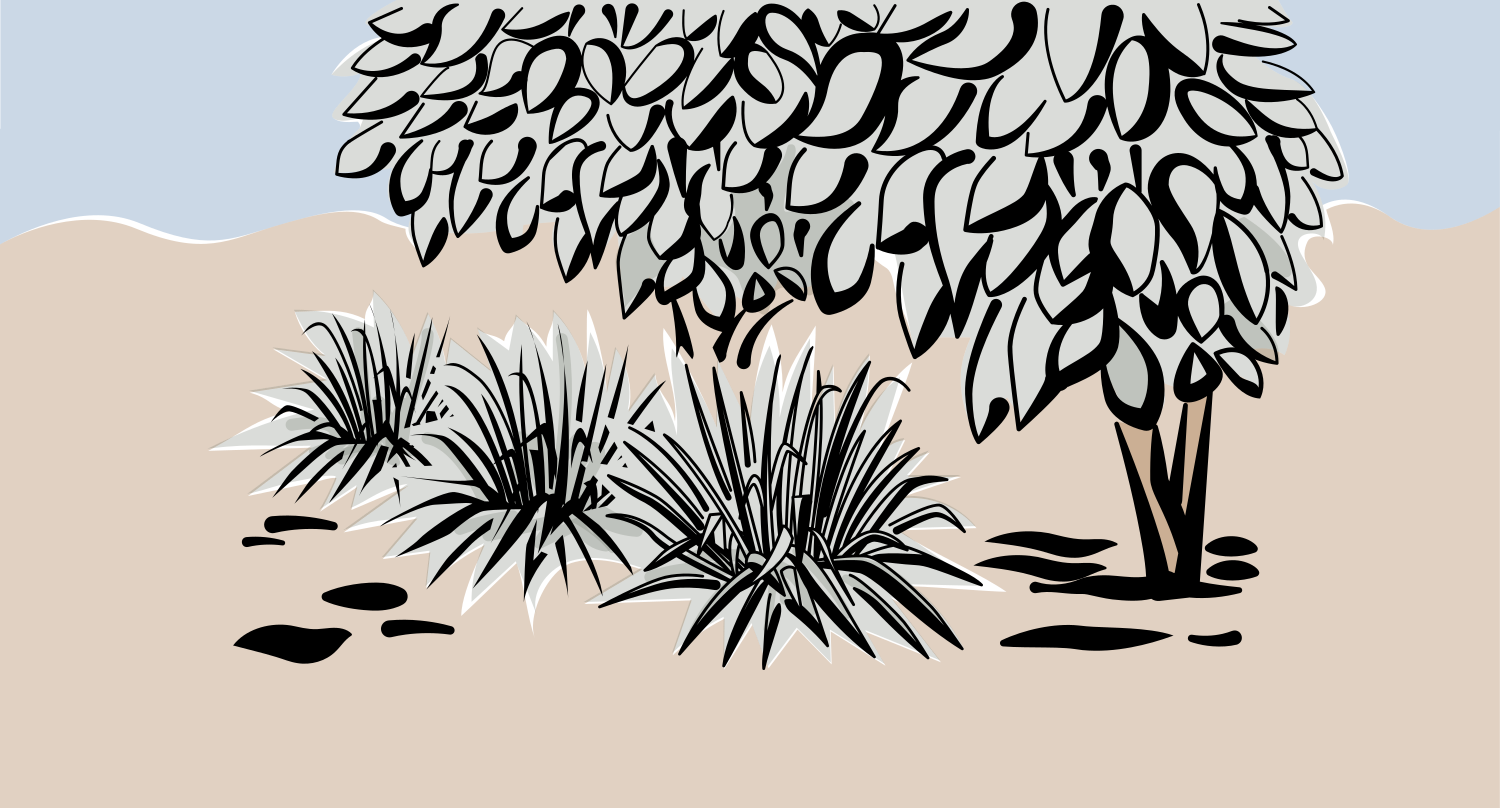
Cover crops, or living mulch, refer to a wide range of annual or perennial plants that can be sown to cover bare ground.
Bare and unprotected soil can lead to soil erosion through wind and rain and high soil temperatures due to direct sun exposure and dryness. Climate change is increasing these impacts.
Sowing cover crops between coffee rows helps adapt to these climate change impacts. It protects the soil from direct sunlight and rain impacts, helps to reduce soil erosion, and keeps the soil moist and temperate. By penetrating the ground, the cover crops’ roots increase rainwater infiltration and create soil organic matter when they break down. Living mulch also slows down the development of weeds. Once established, the cover crops can be cut back and the residues can be used as mulch to cover the soil around the coffee trees.
Different cover crops provide different additional benefits: Leguminous crops add nitrogen to the soil. Grass-like crops produce large amounts of residue and roots which help add organic matter to the soil. Their wide and strong – fibrous – roots help to penetrate compacted soils. Also thanks to their root systems, they effectively scavenge nutrients, especially nitrogen and leftovers from previous crops. After cutting down the grasses and leaving them as mulch, these nutrients become again available to the coffee plants. If opting for food or fodder crops, they can provide food, animal feed, or additional income.
An indirect benefit of cover crops is that it reduces the incidence and severity of many pests and diseases. This is, first, because it reduces moisture and nutrient stress for the plant which increases its resistance, secondly, because it improves the biodiversity in the soil which helps against soil-borne pathogens.
204⸱BVideos
204⸱CTo be considered
The cover crop species used should be robust, have low nutrient and water requirements, and none or only little need to be fertilized or irrigated. This keeps the management time and costs low. They however require some management to ensure that they do not grow too much and end up competing with the coffee trees in terms of water and nutrients.
Also, it should be considered that some cover crops can be invasive, they can climb and choke coffee trees.
Soil improvements should be visible after already one or two years. The soil will have a looser structure and there will be signs of greater biotic activity, e.g. fungi and invertebrates.
Timing
The cover crops should be sown at the start of the rainy season.
204⸱DImplementation
Materials
For 1 acre coffee field, around 12 kg seeds will be required.
Recommended cover crop species are:
Cenchrus purpureus / Pennisetum purpureum (Elephant/Napier grass)
Elephant or Napier grass is a perennial tropical grass species native to the African grasslands. It requires only little water and nutrients and therefore thrives in areas that would otherwise remain uncultivated. As it grows tall and is robust, it can serve as a windbreak. It can also be used as fodder for cattle.
Canavalia ensiformis (Jack bean)
Canavalia ensiformis vetch is a legume (Fabaceae) incorporating high concentrations of nitrogen into the soil and producing a lot of biomass. The beans are mildly toxic and should be boiled properly before consumption. The whole plant can serve as fodder.
Vicia villosa (Hairy vetch)
The Hairy vetch is a legume (Fabaceae). Therefore, it has the capacity to incorporate nitrogen into the soil that can be used by coffee.
204⸱1Preparation
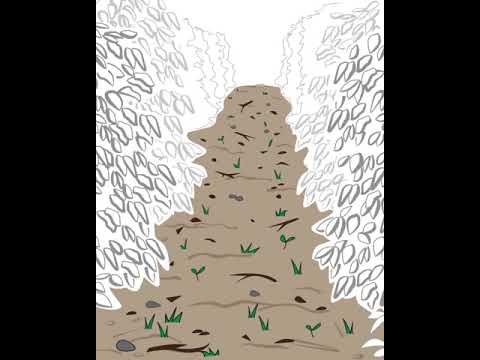
It is advisable to have sufficient space between the coffee rows (at least 2.5 m / 8 ft (Arabica) or 3 m / 10 ft (Robusta)), to have ideal conditions for the development of the cover and the coffee crop.
204⸱2Sowing


204⸱3Management
Climbing cover crops can be grown on trellises.
204⸱4
204⸱5
204⸱6
- During long dry seasons, it is best to cover the ground with a thick layer of cut material to reduce evaporation to a minimum.
204⸱EEconomic benefits
Lower labor costs
This tool might cause extra workload and material costs in the beginning. However, its advantages ultimately result in lower labor requirements and therefore lower coast.
Lower fertilizer costs
This tool allows for a lower demand for synthetic fertilizers and therefore saves input costs over time.
Lower herbicide costs
This tool reduces the demand for pesticides and therefore saves input costs over time.
Higher coffee yield
The effects of this tool can lead to a higher coffee yield and therefore a higher income.
Additional income source
This tool has the potential to provide an additional income.
204⸱FGreen benefits
Less synthetic fertilizers needed
This tool reduces the need for syntheticfertilizers. This reduces carbon emissions and water pollution, improves soil life, and saves resources.
Less herbicides needed
This tool reduces the need for herbicides. This reduces water pollution, protects the ecosystem, improves soil life, and saves resources.
Better soil life
This tool helps improve soil life (microbes, earthworms, etc.). This plays a vital role in plant nutrition and contributes to a healthy ecosystem.