#210Soil analysis
210⸱AConcept
- Helps improve plant nutrition
- Helps regulate soil pH
- Helps increase the coffee yield
- Helps improve coffee quality
- Helps evaluate soil structure
- Helps determine efficient use of water
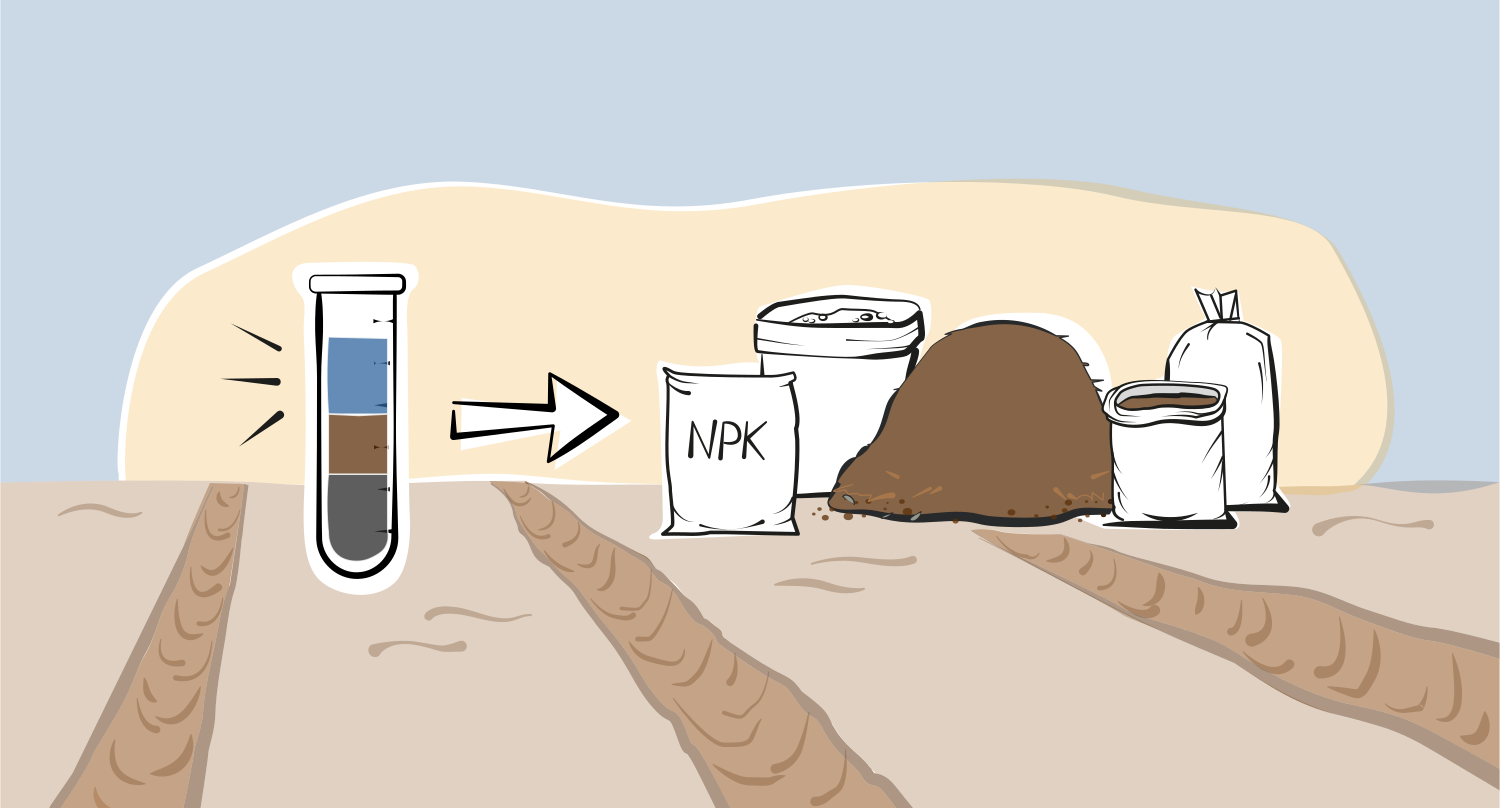
Soil analysis gives insights into the soil's fertility, helping to evaluate the need and quantities of fertilizers to maintain proper nutrient balance, enhance crop production, identify and resolve plant health issues, reduce costs, conserve resources, and safeguard the environment by avoiding overuse of synthetic sources of nutrients that can be contaminants of soil and water basins.
Coffee plants need certain elements in large quantities, so-called macronutrients: Nitrogen (N), Phosphorus (P), and Potassium (K) as well as Calcium (Ca), Magnesium (Mg), and Sulphur (S). Other nutrients are necessary in smaller amounts, so-called micronutrients: Chlorine (Cl), Iron (Fe), Manganese (Mn), Zinc (Zn), Copper (Cu), Boron (B), and Molybdenum (Mo). All these nutrients are taken up by the plant from the soil.
Their availability in the soil is determined through soil analysis.
Soil analysis provides information on the quantities of these nutrients and the soil pH. Soil pH is a measure of how acidic or alkaline the soil is.
Combining soil, water, and leaf analysis is the gold standard in coffee cultivation: Soil testing reveals which nutrients are present, leaf testing shows what the plant is absorbing, and water analysis explains the transport, availability, and chemical quality of the nutrients. Besides soil and leaf analysis, simple visual observation of the plant growth and the appearance of the leaves can give a hint of nutrient deficiencies.
210⸱BVideos
210⸱CTo be considered
A soil analysis is an essential measure to be taken before applying chemical or organic fertilizers such as compost, bokashi, soil conditioners such as biochar, etc., or other soil amendments such as gypsum, lime, etc.
The larger the plot, the more samples must be collected.
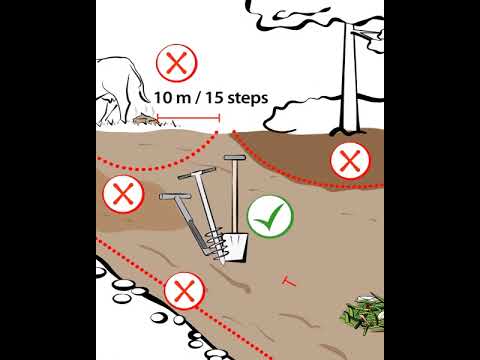
Soil samples must be taken from spots that are representative of the plot. DON’T take samples near shade trees, the borders of the field, after fertilizer or other application, or from spots with a very different soil structure and composition than the rest of the field. A distance of 10 meters should be kept to places where animal manure may occur or from household waste disposal sites. Such non-representative locations may distort the results of the analysis.
Testing laboratories can be found with the assistance of local agricultural extension officers, who provide guidance on accredited facilities for soil analysis.
Timing
Soil analysis should ideally be conducted every one to two years, preferably after harvest and before the main fertilization period, so that the results can be used to plan nutrient management for the upcoming production cycle. Sampling should NOT be carried out immediately after fertilizer application or during periods of heavy rainfall, as this may affect the accuracy of the results.
210⸱DImplementation
Materials
210⸱1Preparation


Each block should be as uniform as possible in terms of soil type, slope, management type, etc. Areas with clear differences should be sampled separately, as each block will produce its own sample.
Avoid unusual areas such as near trees, roads, manure piles, burned or waste areas, fertilizer storage sites, or eroded spots. Keep a distance of 10 meters (15 steps) to places where animal manure may occur or from household waste disposal sites.
210⸱2Procedure


The tools must be clean and free of soil to avoid altering the analysis results. Clean the auger or spade after sampling each block.
210⸱3

210⸱4
Avoid direct sunlight and contamination.
In some regions, this drying process is being done by the laboratory that examines the samples.
210⸱5

210⸱6

210⸱7

210⸱8
210⸱9
Follow this plan to improve the soil condition and nutrient status of your field, leading to healthier plants and higher yields.
210⸱EEconomic benefits
Lower fertilizer costs
This tool allows for a lower demand for synthetic fertilizers and therefore saves input costs over time.
Higher coffee yield
The effects of this tool can lead to a higher coffee yield and therefore a higher income.
Reduction of losses
This tool can prevent losses in coffee yield and quality.
Better coffee quality
The effects of this tool can lead to a better coffee quality and therefore a higher income.
210⸱FGreen benefits
Better soil life
This tool helps improve soil life (microbes, earthworms, etc.). This plays a vital role in plant nutrition and contributes to a healthy ecosystem.
Efficient resource use
This tool helps reduce excessive use and environmental impact of inputs like fertilizers, water, and energy by tracking them.
Reduced carbon footprint
This tool enhances the efficient use of inputs and transportation that lowers emissions per unit of coffee produced.
Resilience to climate stress
This tool helps balance soil health, contributing to coffee plants to tolerate drought, heat, and disease pressure more effectively, supporting climate adaptation strategies.